
Lower back pain: what helps, and when to get it looked at
Most episodes settle within weeks. Here is what the evidence says about staying active, what we do in the clinic, and the signs that mean you should not wait.
B.Chiro.Sc, M.Chiro (Macquarie University), AHPRA registered chiropractor
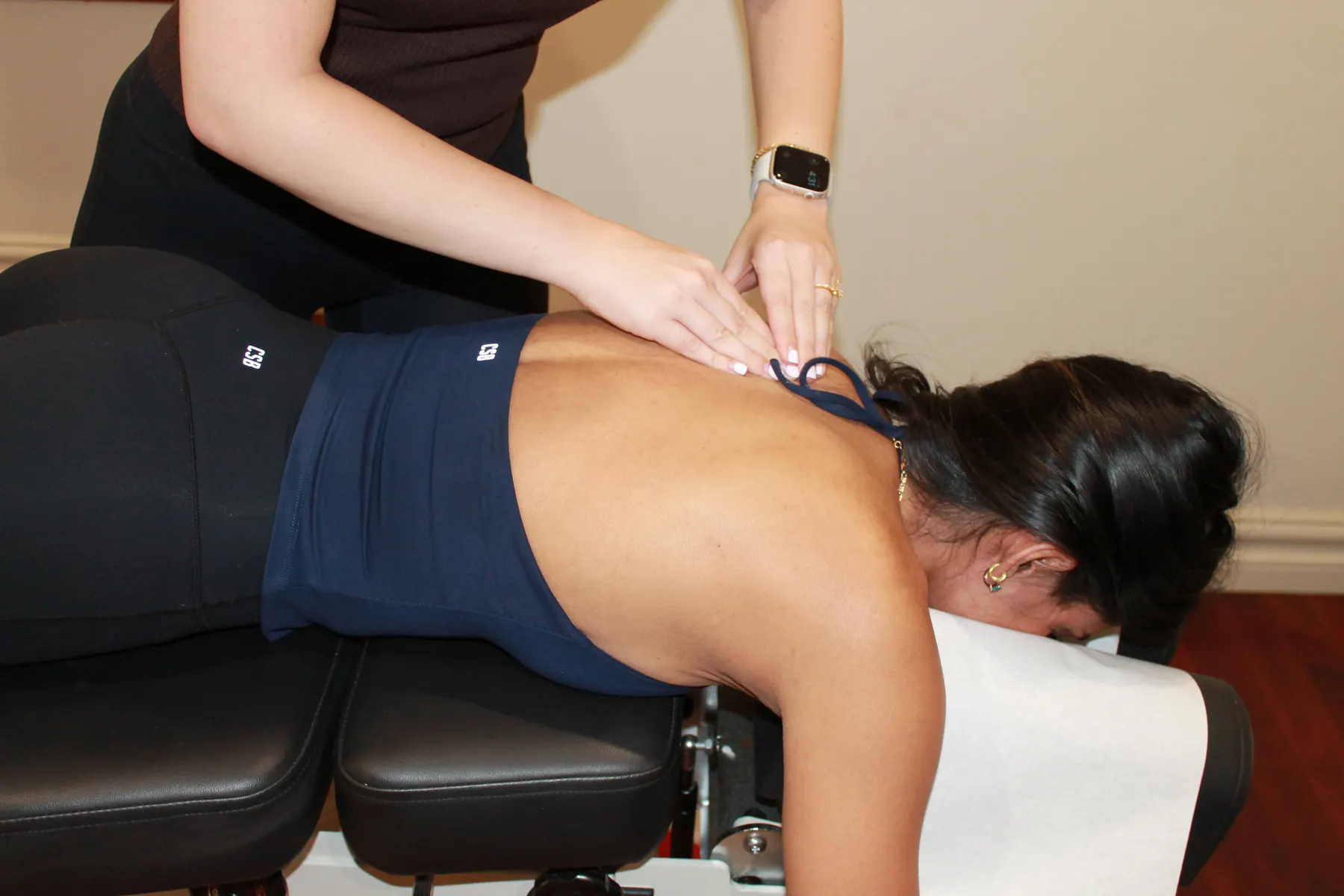
Lower back pain is the most common reason people walk into our Strathfield clinic. Most of the time it is not caused by anything dangerous. It usually comes from the joints, discs and muscles of the lumbar spine being overloaded, stiff, or simply irritated after a long drive, a heavy lift or a week of sitting.
The good news is that most episodes improve meaningfully within two to six weeks, and the things that help are simple.
What actually helps
Bed rest used to be the standard advice. It is now one of the worst things you can do. Gentle movement keeps the spine lubricated, the muscles switched on and the nervous system calm.
- Keep walking. Short, frequent walks beat one long one.
- Change position every 30 to 45 minutes if you sit for work.
- Use heat on tight muscles in the first few days.
- Avoid the movements that sharply reproduce the pain, but do not avoid movement altogether.
What we do in the clinic
Your first visit is about understanding why your back hurts, not just where. Alicia takes a full history, tests your movement, and screens for anything that needs a referral. Treatment then combines spinal adjustments or gentler mobilisation, soft-tissue work and a short set of exercises you can do at home.
Spinal manipulation combined with exercise has consistently been shown to reduce pain and improve function in acute and sub-acute lower back pain, which is why it sits at the centre of our approach.
See a doctor, not a chiropractor, if you have
- Numbness around the groin or inner thighs, or new difficulty controlling your bladder or bowel. Go to an emergency department immediately.
- Weakness in a leg that is getting worse.
- Back pain after a fall or accident, especially if you are over 65 or have osteoporosis.
- Pain with fever, unexplained weight loss, or a history of cancer.
This guide is general information, not a diagnosis. It does not replace an assessment by a registered health practitioner.